
 By Carmen Bearden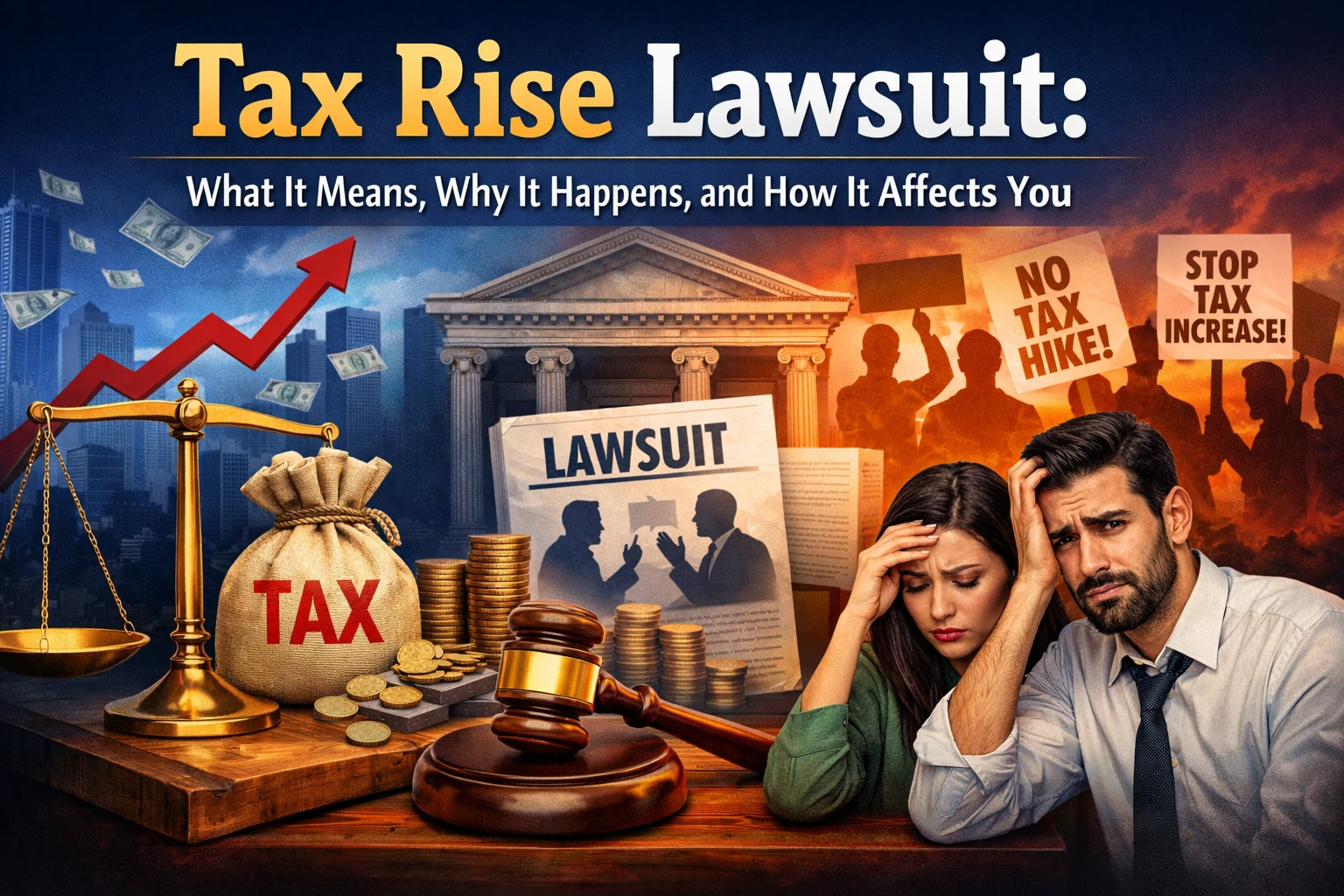
Taxes help governments run schools, build roads, and provide public services. But sometimes, when taxes increase, people or groups push back. They may believe the increase is unfair or illegal. In such cases, a Tax Rise Lawsuit can occur.
A Tax Rise Lawsuit happens when individuals, businesses, or organizations challenge a tax increase in court. They argue that the new tax rule breaks the law or violates rights. These lawsuits are important because they keep governments accountable. They also protect taxpayers from unfair financial burdens.
Many tax disputes start when local governments raise property taxes, sales taxes, or income taxes. While governments may need more funds, citizens sometimes feel the process was not fair or transparent. That is when legal action begins.
In this guide, you will learn what a Tax Rise Lawsuit is, why it happens, how it works, and what it means for taxpayers. The goal is to explain everything in simple words so anyone can understand it easily.
What Is a Tax Rise Lawsuit?
A Tax Rise Lawsuit is a legal case filed to challenge a tax increase. A person, business, or group files the case in court. They argue that the tax increase violates a law or constitution.
These lawsuits usually happen when taxpayers believe the government raised taxes improperly. For example, some laws require voter approval before increasing taxes. If officials raise taxes without approval, people may file a Tax Rise Lawsuit.
Courts then review the case carefully. Judges look at the laws, procedures, and reasons for the tax increase. If the court finds the tax illegal, it may cancel the increase. In some cases, taxpayers may even receive refunds.
This type of lawsuit plays an important role in democratic systems. It ensures governments follow legal rules before changing tax policies. It also gives citizens a way to challenge decisions they believe are unfair.
Why Tax Increases Often Lead to Lawsuits
Tax increases can affect many people. When taxes rise, families and businesses must pay more money. That financial pressure often causes frustration and concern.
Many people file a Tax Rise Lawsuit because they believe the increase was not handled properly. Sometimes the government fails to follow legal procedures. Other times the tax seems unreasonable or discriminatory.
Public trust also plays a role. If taxpayers feel their money is not being used responsibly, they are more likely to challenge new taxes. Transparency and communication are key factors here.
In many cases, lawsuits happen after community groups organize protests or petitions. If those efforts fail, legal action becomes the next step. Filing a Tax Rise Lawsuit gives citizens a formal way to challenge the decision.
Common Types of Taxes Involved in Lawsuits
A Tax Rise Lawsuit can involve many types of taxes. Some taxes are more likely to cause legal disputes because they affect large groups of people.
Property taxes are one common example. Local governments often increase property taxes to fund schools or infrastructure. Homeowners may challenge these increases if they believe the calculation is unfair.
Sales taxes also cause disputes. Retail businesses may file lawsuits if new sales tax rules hurt their operations. Consumers may also challenge them if they believe the increase violates regulations.
Income tax changes sometimes lead to lawsuits as well. When governments adjust tax brackets or rates, affected taxpayers may challenge the policy. These cases often involve complex legal arguments.
Each type of tax dispute has unique factors. But the goal of a Tax Rise Lawsuit is always the same—ensuring tax policies follow the law.
Who Can File a Tax Rise Lawsuit?
Not everyone can automatically file a Tax Rise Lawsuit. Usually, the person or group filing the case must show they are directly affected by the tax increase.
Individual taxpayers can file lawsuits if they must pay the new tax. For example, a homeowner may challenge a property tax increase that significantly raises their yearly costs.
Businesses also file these lawsuits. Companies often challenge tax increases that affect profits or operations. Large corporations sometimes file cases against new tax rules they believe are unfair.
Community groups and nonprofit organizations may also file lawsuits. These groups often represent the interests of many taxpayers. By filing a Tax Rise Lawsuit, they aim to protect entire communities.
Legal standing is an important requirement. Courts usually require proof that the tax increase directly harms the person filing the case.
The Legal Process of a Tax Rise Lawsuit
The process of a Tax Rise Lawsuit follows several steps. It usually begins when a plaintiff files a complaint in court. The complaint explains why the tax increase is illegal.
Next, the government or tax authority responds to the complaint. They provide arguments defending the tax policy. Both sides then present evidence and legal arguments.
During the case, judges may review documents, hear testimony, and examine financial data. This step helps them understand the full impact of the tax increase.
After reviewing the case, the court issues a decision. If the court agrees with the plaintiff, it may cancel the tax increase. Sometimes the court orders refunds for taxpayers.
However, legal battles can take months or even years. Appeals may also extend the process. Despite this, a Tax Rise Lawsuit is often the most effective way to challenge tax policies.
Real-World Examples of Tax Rise Lawsuits
History includes many examples of Tax Rise Lawsuit cases. These cases show how citizens can challenge government decisions.
In some cities, residents have filed lawsuits over property tax reassessments. They argued that property values were incorrectly calculated. Courts sometimes ruled in favor of taxpayers.
Businesses have also challenged sales tax changes. Some companies claimed new rules placed unfair burdens on their industries. Courts reviewed these claims carefully before issuing decisions.
These real-world examples highlight the importance of legal oversight. A Tax Rise Lawsuit ensures tax policies remain fair and transparent.
Such cases also encourage governments to follow proper procedures before introducing new taxes.
How Tax Laws Affect Everyday People
Taxes influence daily life in many ways. When taxes rise, families may face higher living costs. Businesses may raise prices to cover increased expenses.
A Tax Rise Lawsuit can impact communities significantly. If a court cancels a tax increase, people may save money. Local governments may also need to adjust budgets.
Sometimes these lawsuits delay new projects. For example, a city planning to build roads or schools may rely on tax revenue. If the court blocks the tax increase, funding plans must change.
However, lawsuits also protect citizens from unfair financial burdens. They ensure tax policies follow legal standards and respect taxpayer rights.
The Role of Lawyers in Tax Rise Lawsuits
Tax law can be complex. That is why many people hire lawyers when filing a Tax Rise Lawsuit.
Tax attorneys understand government regulations and legal procedures. They help plaintiffs build strong arguments against tax increases.
Lawyers gather evidence, review tax laws, and represent clients in court. Their expertise often plays a key role in winning cases.
Government agencies also rely on legal teams. These lawyers defend tax policies and explain why the increase is necessary.
Because tax laws are complicated, legal guidance often determines the outcome of a Tax Rise Lawsuit.
Possible Outcomes of a Tax Rise Lawsuit
A Tax Rise Lawsuit can lead to several different outcomes. Each case depends on the evidence and legal arguments presented.
In some cases, the court may cancel the tax increase entirely. This decision protects taxpayers from paying higher rates.
Another possibility is modification. The court may require changes to the tax policy instead of removing it completely.
Sometimes the government wins the case. If the court finds the tax increase legal, it will remain in place.
Regardless of the outcome, these lawsuits help clarify tax laws. They also create legal precedents that guide future policies.
How Governments Respond to Tax Lawsuits
Governments often review their policies carefully after a Tax Rise Lawsuit. Even when they win cases, lawsuits can highlight public concerns.
Officials may improve transparency by sharing more information about tax decisions. Public meetings and detailed reports can help rebuild trust.
Sometimes governments revise tax proposals before implementing them. This reduces the risk of legal challenges.
A Tax Rise Lawsuit also encourages policymakers to follow strict legal procedures. Doing so helps prevent future disputes and builds stronger public confidence.
Ways Taxpayers Can Stay Informed
Understanding tax policies helps people make informed decisions. Taxpayers should stay updated about local tax proposals and public hearings.
Reading government announcements and attending community meetings can provide valuable insights. These steps help citizens understand how tax changes may affect them.
If concerns arise, people can discuss them with local officials. Sometimes communication prevents the need for a Tax Rise Lawsuit.
However, when legal issues arise, understanding taxpayer rights becomes essential. Awareness empowers citizens to challenge unfair policies when necessary.
Frequently Asked Questions
1. What is a Tax Rise Lawsuit?
A Tax Rise Lawsuit is a legal case filed to challenge a tax increase. Taxpayers argue that the increase violates laws or procedures.
2. Who can file a Tax Rise Lawsuit?
Individuals, businesses, and community groups can file these lawsuits if they are directly affected by the tax increase.
3. Why do people challenge tax increases?
People often challenge tax increases because they believe the government acted illegally or unfairly.
4. How long does a tax lawsuit take?
The timeline varies. Some cases finish within months, while others take years due to appeals.
5. Can taxpayers get refunds after winning a case?
Yes. In some cases, courts order governments to refund taxes collected under an illegal policy.
6. Do all tax increases lead to lawsuits?
No. Many tax increases happen legally and without legal challenges.
Conclusion
Taxes are a necessary part of modern society. They help fund essential services and public infrastructure. However, governments must follow legal rules when increasing taxes.
A Tax Rise Lawsuit gives citizens the power to challenge tax policies they believe are unfair or illegal. These cases help protect taxpayers and maintain government accountability.
While lawsuits can be complex, they play a vital role in maintaining a fair tax system. They also encourage transparency and responsible decision-making.
If you ever face concerns about a tax increase, understanding your rights is important. Learning about the Tax Rise Lawsuit process can help you make informed choices and protect your financial interests.