
 By Carmen Bearden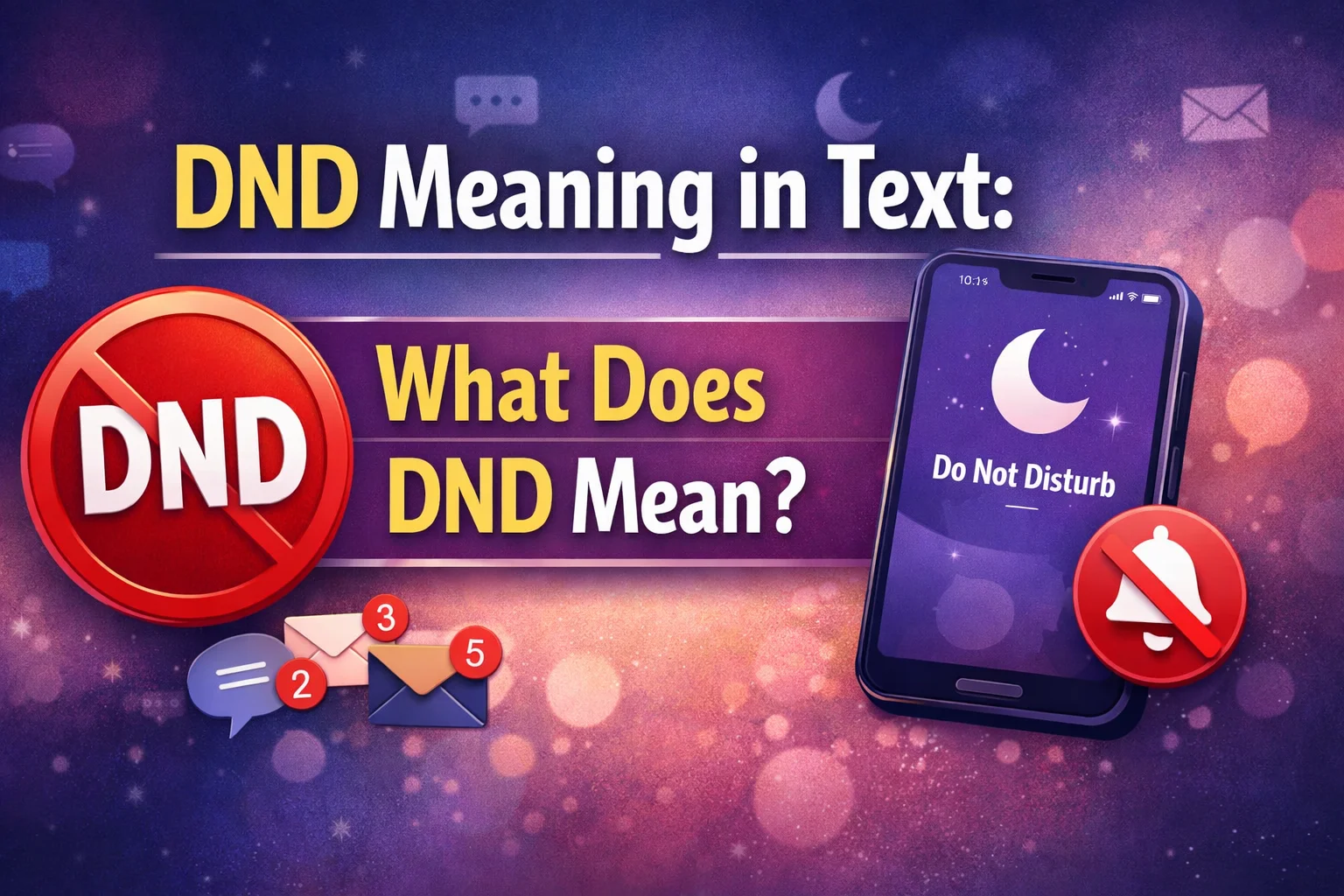
Introduction
In today’s fast-paced digital world, texting has transformed the way we communicate. With a few taps on our screens, we can convey complex emotions and ideas in seconds. But have you ever come across an abbreviation that left you scratching your head? One such acronym is DND. If you’re wondering about its meaning and usage, you’re not alone. As language evolves with technology, so do our expressions. Understanding terms like DND can enhance your texting game and improve your connection with others. Let’s dive into what DND means in text conversations and how it fits into the broader landscape of modern communication!
The Evolution of Texting Language
Texting language has transformed dramatically since the advent of mobile phones. Initially, messages were short and simple due to character limits. People relied on abbreviations and acronyms to convey their thoughts quickly.
As technology advanced, so did our communication styles. Emojis emerged as a playful way to express emotions without words. They added color and personality to otherwise plain texts.
Social media platforms also influenced texting language. Trends like hashtags became commonplace, helping users connect over shared interests more efficiently.
Today, texting is often informal yet rich in context. With each generation, new phrases arise while older ones fade away. The beauty lies in its constant evolution—a dynamic reflection of how we communicate in an increasingly digital world.
What Does DND Mean?
DND stands for “Do Not Disturb.” In the world of texting, it’s a concise way to signal that you’d prefer not to be interrupted.
This term has gained popularity as more people embrace digital communication. When someone texts DND, they are often indicating they need some uninterrupted time—whether it’s for work, relaxation, or just some personal space.
You might see it in various contexts; perhaps someone is studying and wants to avoid distractions, or maybe they’re enjoying a movie night with friends. Whatever the reason, DND clearly communicates their desire for solitude.
It’s also common in gaming communities where players may want an immersive experience without notifications pulling them away from gameplay. Understanding this shorthand can enhance your text conversations and help set clear expectations among friends and family.
Different Uses of DND in Texts
DND can take on various meanings depending on the context. One common interpretation is “Do Not Disturb.” This usage often appears in messaging when someone wants to communicate that they are busy or unavailable.
Another variation pops up in gaming circles, where DND refers to “Dungeons & Dragons.” Here, it signifies a beloved tabletop role-playing game that has gained massive popularity over the years.
In some discussions surrounding mental health, DND might imply setting boundaries for self-care. Individuals may text their friends to indicate they need solitude and personal time.
Additionally, tech enthusiasts sometimes use DND as shorthand for “Do Not Delete,” especially when sharing important files or documents. Each of these usages highlights how versatile texting language can be and reflects differing needs across varied conversations.
How to Use DND
Using DND in your text conversations is straightforward. Start by ensuring the context is clear. When you want to signal that you’re busy or unavailable, simply type “DND” as a response.
It’s effective in group chats too. If there’s chatter and you need some quiet time, just drop a quick “I’m on DND” message. This lets everyone know not to expect immediate replies.
Be mindful of timing, though. Sending it during important discussions might come off as dismissive. Instead, consider using it when the conversation is light-hearted or casual.
You can also personalize it with emojis for added flair—like a do-not-disturb sign or an hourglass emoji—to make your intention clear while keeping the tone friendly and engaging.
Why Do People Use DND?
People use DND for various reasons, primarily to create boundaries in their conversations. It signals a need for personal space or time away from distractions.
In today’s fast-paced world, constant notifications can be overwhelming. Many individuals find solace in expressing that they are “do not disturb.” This simple phrase helps them focus on tasks without interruptions.
Additionally, using DND fosters better communication. Friends and family understand when someone is unavailable, reducing the pressure to respond immediately.
It also reflects a self-care mindset. Taking time for oneself is crucial in maintaining mental health.
In social contexts, employing DND can indicate respect for others’ time as well. By being clear about availability, people set expectations within relationships.
Alternatives to Using DND
If “DND” doesn’t resonate with you, there are plenty of alternatives to convey a similar message.
Consider using phrases like “busy right now” or “in a meeting.” These expressions immediately clarify your unavailability without resorting to abbreviations.
Another option is simply typing out “please don’t disturb me.” It’s direct and leaves no room for misunderstanding.
Emojis can also communicate your intent effectively. A simple red stop sign emoji 🚫 or the peace hand ✌️ conveys that you’re occupied and wish not to be interrupted.
For those who prefer brevity, just saying “not available” works too. It’s straightforward and gets your point across clearly.
Choose whatever feels most comfortable; after all, communication should feel authentic to you!
Conclusion
Understanding the DND meaning in text is essential for navigating modern communication. As texting evolves, so does our language. DND isn’t just an abbreviation; it reflects a broader trend toward brevity and clarity in digital conversations.
This acronym can serve various purposes, from signaling that you’re busy to establishing boundaries for your time. People appreciate knowing when they should wait for a response or if they should try reaching out later.
While some might prefer alternatives like “busy” or “not available,” using DND has its own charm—it’s concise and widely recognized among peers.
Embracing terms like DND enriches our online interactions, enhancing both understanding and efficiency. Texting continues to shape how we communicate, making it exciting to explore new acronyms as they emerge in daily life.