
 By Carmen Bearden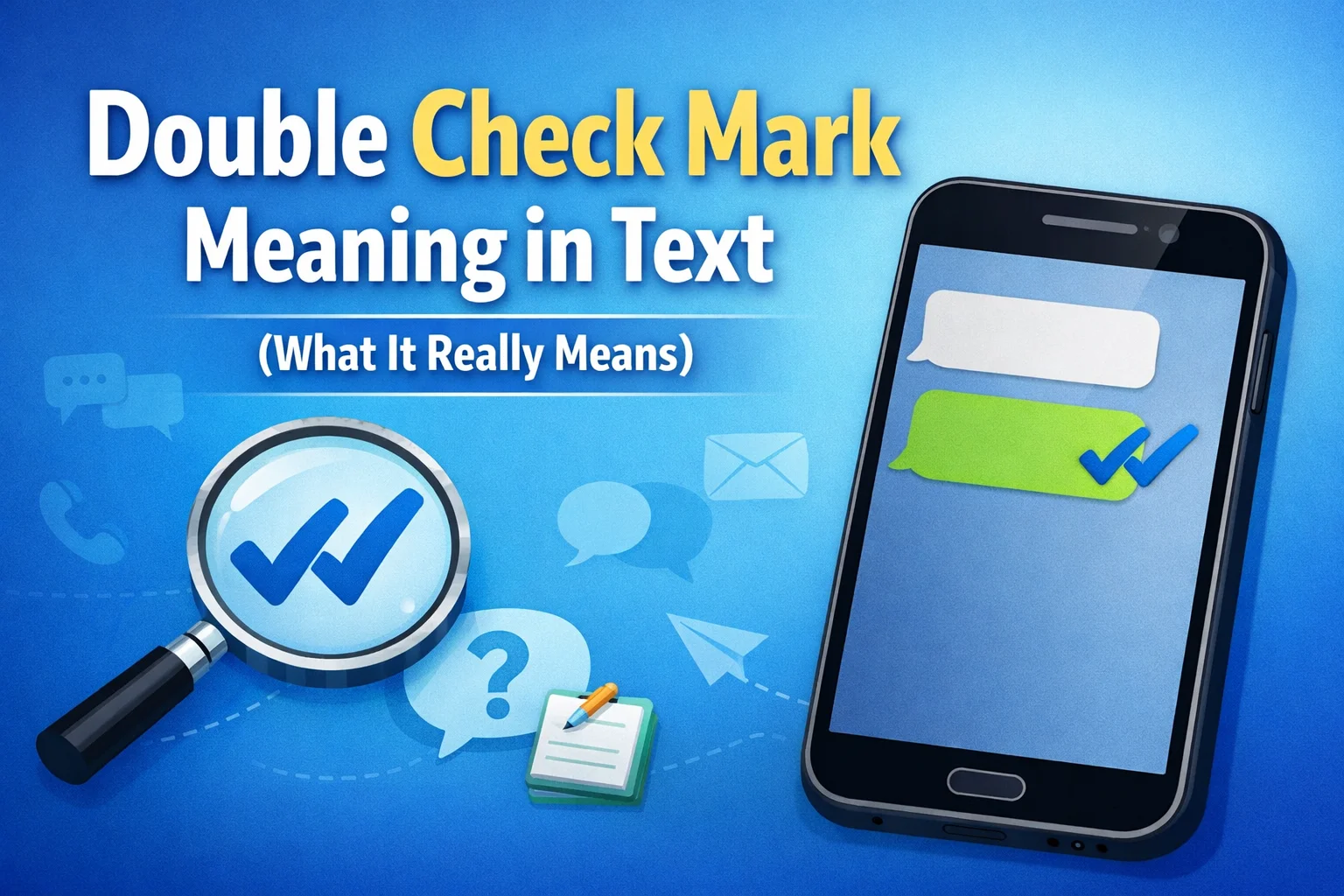
Introduction to the double check mark symbol
Have you ever received a message with a double check mark and wondered what it really means? In the world of text messaging, symbols can convey emotions, intentions, or confirmations. The double check mark is one such symbol that often leaves people scratching their heads. Is it a sign of approval, reassurance, or something else entirely? Let’s dive into the intriguing meaning behind this popular icon and uncover its origins, interpretations, and how it has transformed over time in our digital conversations. Understanding the double check mark can enhance your communication game—so let’s get started!
The origin of the double check mark symbol
The double check mark symbol has its roots in the world of verification. It emerged as a way to signify that something is confirmed or validated. Initially, this symbol appeared in administrative and accounting contexts.
Over time, it transitioned into digital communication. With the rise of text messaging and social media, people began using visual symbols to express emotions quickly. The double check mark became popular for conveying agreement or assurance.
In platforms like WhatsApp, two check marks indicate message status—one means sent, while two show delivery to the recipient’s device. This practical use further cemented its place in modern texting culture.
As technology continued evolving, so did interpretations of this symbol. What once was merely a sign of confirmation transformed into an essential aspect of our digital lexicon today.
The different interpretations of the double check mark symbol in text messaging
The double check mark symbol has become a staple in text messaging, but its interpretations can vary widely. For many, it signifies that a message has been read and acknowledged. This simple action fosters a sense of connection.
On the flip side, some users perceive it as an indication of indifference or delayed response. If someone sees two checks but hasn’t received a reply, feelings of uncertainty may arise.
Additionally, cultural differences play a role in how this symbol is understood. In certain contexts, it might signal approval or agreement rather than just acknowledgment.
Social dynamics also influence interpretation; among friends, it’s often light-hearted banter while in professional settings, it could imply urgency or expectation for further communication. Understanding these nuances is crucial to navigating conversations effectively without miscommunication lurking around the corner.
How the meaning of the double check mark has evolved over time
The double check mark has undergone a fascinating transformation since its inception. Initially, it served as a simple confirmation tool. A straightforward way to indicate that something was acknowledged or completed.
As digital communication expanded, so did the symbol’s significance. In the early days of messaging apps, it denoted message status—one check for sent and two for delivered. This clear distinction made it easier to gauge whether your message had reached its destination.
With time, users began assigning emotional layers to the double check mark. It morphed into an expression of multitasking or reassurance that someone is on top of things.
Now, in some circles, it’s even perceived as a subtle nod towards urgency or importance in conversations. The evolution reflects how our interactions have adapted with technology while still relying on symbols to convey nuanced meaning within our chats.
The impact of technology on communication and symbols
Technology has revolutionized the way we communicate. Instant messaging and social media platforms have introduced a new language of symbols, emojis, and abbreviations.
These digital tools allow for quick exchanges but also change the context in which messages are received. A simple check mark can now signify much more than just acknowledgment; it can convey humor, sarcasm, or even frustration depending on its placement.
As communication becomes faster, interpretations often rely heavily on visual cues. This shift requires users to be mindful of how symbols like the double check mark might be perceived differently based on cultural backgrounds or personal experiences.
Moreover, technology fosters creativity. Users invent new meanings and adapt existing ones to fit their unique styles of expression. The result is an evolving lexicon that reflects our ever-changing relationship with each other through screens rather than face-to-face conversations.
Misinterpretations and misunderstandings caused by the double check mark symbol
The double check mark symbol can lead to confusion in digital conversations. Its meaning isn’t universally understood, causing misinterpretations among users.
For some, it signifies that a message has been read and acknowledged. Others might see it as an indication of approval or agreement. This disconnect can easily spark assumptions about intentions.
Imagine receiving a double check mark after sharing personal news. One person may feel validated while another remains uncertain if their message was genuinely appreciated.
Additionally, cultural differences play a significant role in how people perceive this symbol. What feels affirming to one culture could appear dismissive or indifferent to another.
These nuances highlight the importance of context when interpreting symbols like the double check mark. Without clear communication, misunderstandings are bound to happen, leading to potential rifts in relationships and conversations.
Tips for clarifying the meaning behind a double check mark in text messages
When you encounter a double check mark in a text, it’s essential to seek clarity. A straightforward approach is always best. Consider asking the sender directly what they meant.
Context matters greatly. Reflect on previous conversations with that person. Are there inside jokes or common themes? This can help decode their intent behind the symbol.
Another effective strategy is to respond with a follow-up question. This invites dialogue and encourages the sender to elaborate further on their message.
If you’re still unsure, don’t hesitate to share your interpretation of the double check mark. Sometimes, explaining how you perceive it can lead to enlightening discussions about communication styles.
Remember that emojis and symbols are subjective; what means one thing for someone might not resonate similarly for another. Keeping an open mind will foster better understanding in your interactions.
Conclusion:
The double check mark symbol has woven itself into the fabric of modern communication. Its meaning can vary widely depending on context, culture, and individual interpretation. Originally a simple confirmation tool, it has evolved into a multifaceted symbol that can signify approval, completion, or even sarcasm.
As technology continues to shape how we communicate, symbols like the double check mark will likely adapt further. Misunderstandings may arise from its use in different conversations or contexts but being aware of these nuances can help bridge potential gaps in understanding between friends and acquaintances.
When texting someone who uses this symbol frequently, consider asking for clarity if you’re unsure about their intent. Embracing open dialogue about such symbols is key to effective communication.
Navigating the world of emojis and text symbols means staying attuned to their evolving meanings. The next time you see a double check mark pop up in your messages, take a moment to think about what it might really mean beyond face value.