 By Carmen Bearden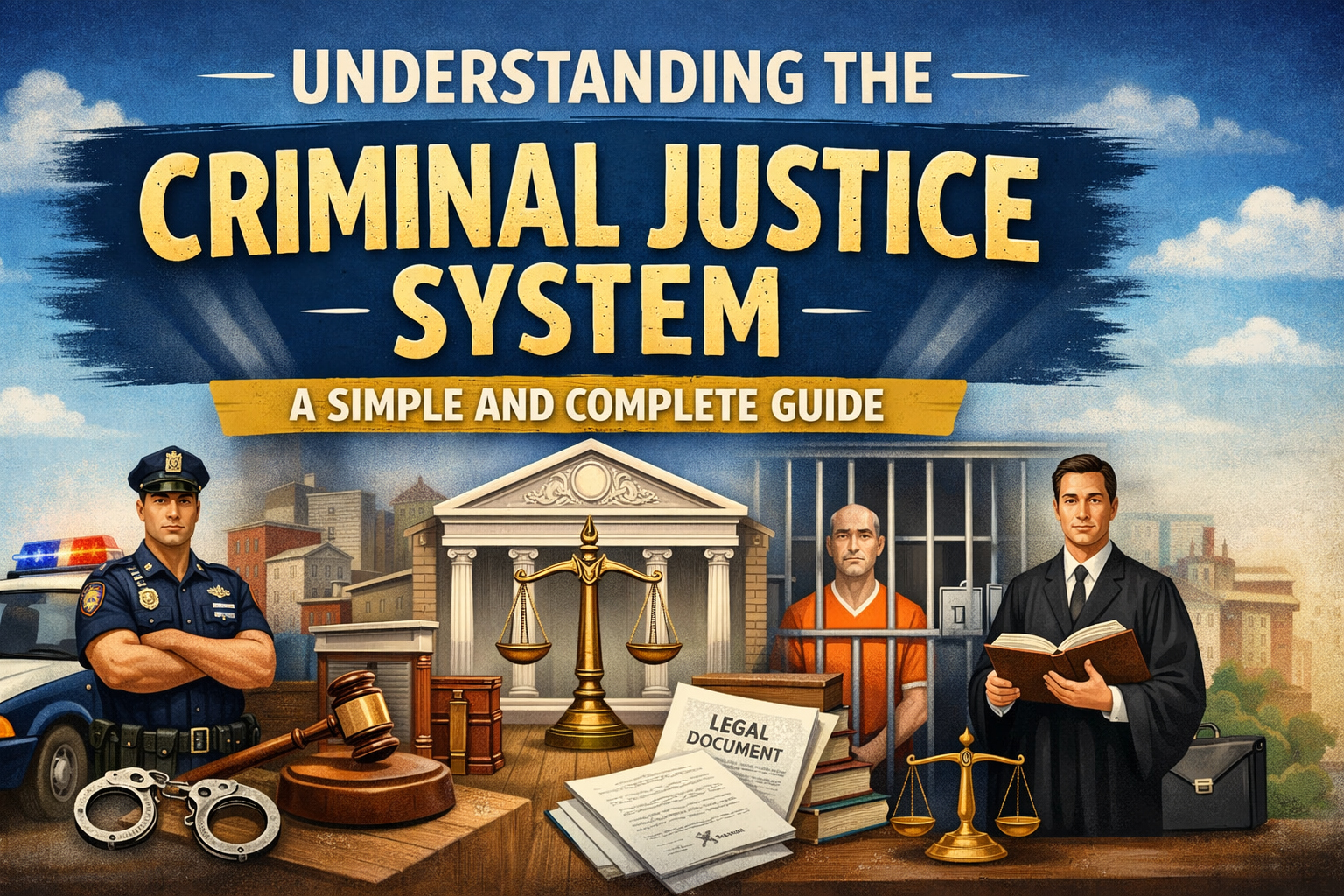
The criminal justice system is something we hear about in news, movies, and daily life. But many people do not fully understand how it works. In simple terms, it is a system of laws, rules, and people that help keep society safe. It deals with crime, punishment, and fairness.
This article will walk you through everything you need to know about the criminal justice system. We will use simple words, clear ideas, and real-life examples. By the end, you will have a strong and easy understanding of how justice works.
What Is the Criminal Justice System?
The criminal justice system is a network of agencies and processes. Its main goal is to prevent crime, catch offenders, and ensure justice is served.
It includes police officers, courts, and prisons. Each part has a specific job. Together, they help maintain law and order in society.
Think of it like a team. If one part fails, the whole system can struggle. For example, if police do not investigate properly, courts may not have enough evidence. This can lead to unfair outcomes.
The system also protects the rights of people. Even someone accused of a crime has rights. This ensures fairness and prevents misuse of power.
In simple words, the criminal justice system works to balance safety and fairness for everyone.
Main Goals of the Criminal Justice System
The criminal justice system has several important goals. These goals help guide how laws are applied and enforced.
First, it aims to prevent crime. Laws and punishments are designed to stop people from breaking rules. When people know there are consequences, they may think twice.
Second, it works to deliver justice. This means making sure the right person is held responsible. It also means innocent people are protected.
Third, the system focuses on rehabilitation. Many offenders are given a chance to change their behavior. Programs in prisons help them learn new skills.
Lastly, it ensures public safety. Dangerous individuals may be removed from society to protect others.
These goals show that the criminal justice system is not just about punishment. It is also about fairness, safety, and second chances.
The Three Main Parts of the Criminal Justice System
The criminal justice system is divided into three key parts. Each part plays a unique role.
| Component | Role | Example |
|---|---|---|
| Law Enforcement | Investigates crimes | Police arrest suspects |
| Courts | Decide guilt or innocence | Judge conducts trial |
| Corrections | Punishes or rehabilitates | Prison or probation |
Law enforcement officers are the first responders. They gather evidence and make arrests. Without them, crimes would go unchecked.
Courts review the case. They decide if the accused is guilty. Judges and juries ensure fairness during trials.
Corrections handle punishment and rehabilitation. This includes prisons, parole, and community service.
Together, these three parts form the backbone of the criminal justice system.
How a Criminal Case Moves Through the System
A criminal case follows a step-by-step process. Each step is important for fairness.
First, a crime is reported. Police then investigate the situation. If they find enough evidence, they make an arrest.
Next, the suspect appears in court. This is called an arraignment. The charges are read, and the suspect enters a plea.
Then comes the trial. Both sides present evidence. Witnesses may speak. A judge or jury decides the outcome.
If found guilty, the offender is sentenced. This could include jail, fines, or probation.
This process ensures that decisions are not rushed. It allows time to review facts and protect rights within the criminal justice system.
The Role of Police in the Criminal Justice System
Police are often the first point of contact. They play a major role in the criminal justice system.
Their main job is to enforce laws. They patrol areas, respond to emergencies, and investigate crimes. They also collect evidence and interview witnesses.
Police must follow strict rules. They cannot arrest someone without a reason. They also must respect people’s rights during questioning.
In many cases, police build the foundation of a case. If they make mistakes, it can affect the entire process.
From my perspective, trust between the public and police is very important. When people trust law enforcement, they are more likely to report crimes and help investigations.
Understanding the Court System
Courts are where decisions are made. They are a key part of the criminal justice system.
There are different types of courts. Some handle minor cases, while others deal with serious crimes.
Judges ensure the law is followed. Lawyers represent both sides. Prosecutors try to prove guilt, while defense lawyers protect the accused.
A jury may also be involved. They listen to evidence and decide the verdict.
Courts aim to be fair and unbiased. Every person deserves a chance to defend themselves.
This part of the system is very important. It ensures that justice is not based on opinions but on facts and law.
Corrections: What Happens After Conviction?
After a conviction, the corrections system takes over. This is the final stage of the criminal justice system.
Corrections include prisons, probation, and parole. The goal is not just punishment but also rehabilitation.
| Type | Description | Purpose |
|---|---|---|
| Prison | Long-term confinement | Protect society |
| Probation | Supervision in community | Second chance |
| Parole | Early release with conditions | Reintegration |
Prisons keep dangerous individuals away from society. However, many systems now focus on helping offenders improve.
Programs may include education, job training, and counseling. These help reduce repeat crimes.
In my view, rehabilitation is key. When people change, society becomes safer.
Rights of Individuals in the Criminal Justice System
The criminal justice system protects individual rights. This is very important for fairness.
Every person has the right to a fair trial. They also have the right to remain silent and to have a lawyer.
Police cannot search or arrest without proper reasons. This prevents misuse of power.
These rights ensure that no one is treated unfairly. Even someone accused of a crime deserves respect and protection.
Without these rights, the system could become unjust. That is why they are a core part of the criminal justice system.
Challenges Faced by the Criminal Justice System
Like any system, the criminal justice system has challenges.
One major issue is delays. Cases can take a long time to resolve. This can be stressful for everyone involved.
Another problem is overcrowded prisons. Too many inmates can lead to poor conditions.
There are also concerns about fairness. Sometimes, people worry that not everyone is treated equally.
Technology and training are helping improve the system. However, there is still room for growth.
Recognizing these challenges is the first step toward making the system better.
Importance of Fairness and Equality
Fairness is at the heart of the criminal justice system.
Every person should be treated equally under the law. This means no discrimination based on race, gender, or background.
Equality builds trust. When people believe the system is fair, they are more likely to respect it.
Unfair treatment can lead to anger and mistrust. This weakens society.
That is why fairness must always be a priority. It ensures that justice is truly served.
How Technology Is Changing the Criminal Justice System
Technology is playing a bigger role in the criminal justice system.
Police now use cameras and databases. Courts use digital records. Prisons use monitoring systems.
These tools help improve accuracy and efficiency. For example, DNA testing can solve cases faster.
However, technology also raises concerns. Privacy and data security must be protected.
Overall, technology is helping modernize the system. It makes processes faster and more reliable.
Why Public Awareness Matters
Understanding the criminal justice system is important for everyone.
When people know their rights, they can protect themselves. They can also help improve the system.
Public awareness leads to better decisions. It encourages transparency and accountability.
In my experience, many misunderstandings come from lack of knowledge. Learning about the system helps clear confusion.
An informed society is a stronger society.
FAQs About the Criminal Justice System
1. What is the main purpose of the criminal justice system?
The main purpose is to prevent crime, deliver justice, and protect society while ensuring fairness.
2. Who are the key players in the system?
Police, judges, lawyers, and correction officers are the main participants.
3. What happens after someone is arrested?
They go through court proceedings, including arraignment, trial, and possible sentencing.
4. Can an innocent person be punished?
The system aims to prevent this, but errors can happen. That is why appeals exist.
5. What is the difference between probation and parole?
Probation is an alternative to jail, while parole is early release from prison.
6. Why is rehabilitation important?
It helps offenders change their behavior and reduces repeat crimes.
Final Thoughts on the Criminal Justice System
The criminal justice system is a vital part of society. It helps maintain order, protect people, and ensure fairness. While it is not perfect, it continues to evolve and improve.
By understanding how the system works, you become more aware and empowered. You can better understand your rights and responsibilities.
If you found this guide helpful, consider sharing it with others. The more people understand the criminal justice system, the stronger and fairer our communities can become.